
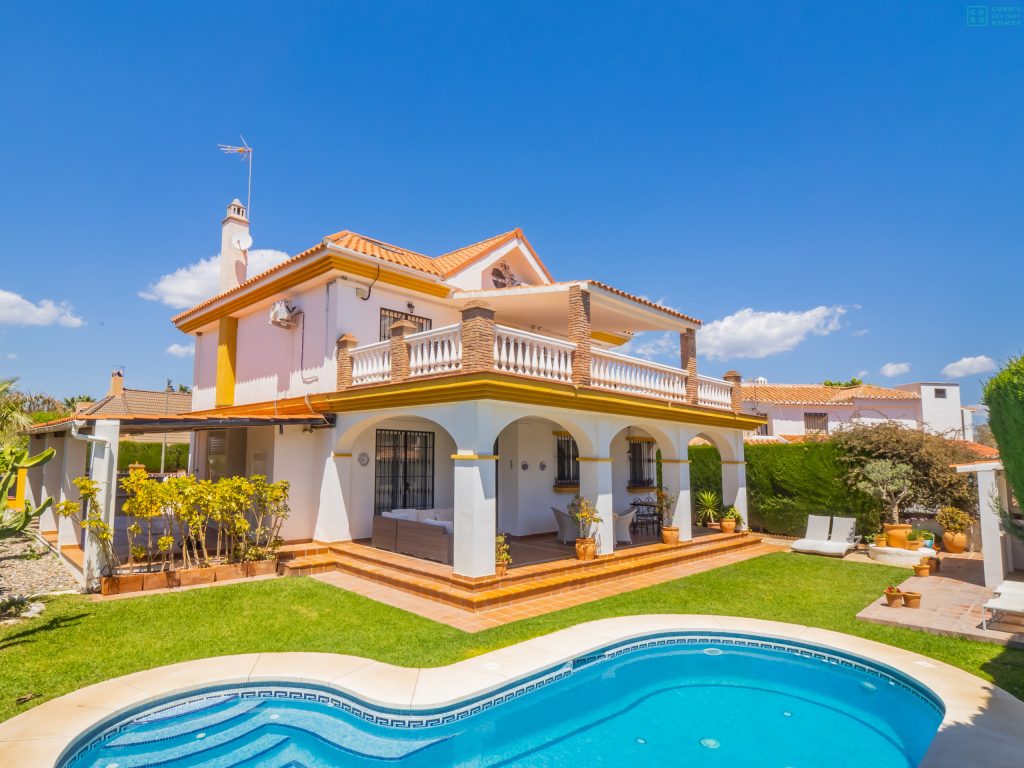
Imagine waking up to the sound of the Mediterranean waves gently crashing on the shore, sunlight streaming through your window, and knowing this isn’t just a holiday – it’s home. Sounds like a dream, right? Have you ever browsed through those tempting villa for sale listings and pictured yourself sipping sangria on a sunny terrace? You’re not alone. Buying property in Spain’s Costa del Sol – especially in the vibrant Malaga region – is a dream for many, and it’s easier to achieve than you might think.
In this complete guide, we’ll walk you through everything a homeowner (or aspiring homeowner) needs to know about buying a house in Malaga and the Costa del Sol. We’ll cover why this region is so special, highlight the best areas, talk about what kinds of homes you can find (from cozy apartments to luxurious villas), and explain the real estate buying process step by step in simple terms. Think of this article as a friendly chat with a knowledgeable friend who’s been through it all. We’ll share stories, tips, and answer those nagging questions in the back of your mind (and even some you hadn’t thought of yet).
So, grab a comfortable seat and a cup of coffee (or maybe a glass of Spanish wine) and let’s dive into the sunny world of Costa del Sol real estate. By the end, you’ll feel more confident and excited about turning that daydream of a house for sale ad into your new reality.
Why Buy in Costa del Sol?
Buying a home is a big decision, so why choose the Costa del Sol out of all places in the world? Well, the name “Costa del Sol” means “Coast of the Sun,” and that’s not an exaggeration. This stretch of southern Spain gets around 300 days of sunshine a year! If you’re coming from a colder climate, living here can feel like stepping into a year-round summer.
But it’s not just about sunshine. Picture a place where mountains meet the sea – you could have breakfast on the beach and by afternoon hike scenic mountain trails. The Costa del Sol offers a relaxed, outdoor-oriented lifestyle full of natural beauty. Daily life here often feels like a holiday, from morning beach walks to evening tapas in a white-washed village.
There’s also rich culture. The city of Malaga blends history (think ancient castles) with modern buzz, and the coast is dotted with charming towns each with its own fiestas and flavors. It’s like a colorful mosaic of experiences waiting to be explored.
Are you after a smart investment, a retirement haven, or a family holiday home? The Costa del Sol ticks all those boxes. Real estate here has long been popular for both lifestyle and growth potential. Property values generally rise over time, and thanks to the area’s enduring international appeal, investing here can feel like planting a stake in paradise.
In short, buying on the Costa del Sol means embracing a dream lifestyle – maybe lazy Sundays by your own pool, tee times at the golf course (they don’t call it the “Costa del Golf” for nothing), or simply enjoying fresh Mediterranean cuisine every day. If you’ve ever wanted a place to slow down and savor life, this is it.
Best Areas to Buy Property in Malaga and the Costa del Sol
One of the first things you’ll ask yourself is: Where exactly on the Costa del Sol should I look? This region isn’t small – it stretches along roughly 150 kilometers of coastline, with a variety of towns and neighborhoods each offering something unique. The best area for you to buy property depends on your lifestyle, budget, and preferences. Let’s explore some standout locations:
1. Malaga City: A lively coastal city that blends historic charm (a Moorish fortress, Picasso’s birthplace) with modern life. Here you have museums, shopping, tapas bars, and city beaches all in one place. Plus, the international airport is next door, making it super convenient for travel.
2. Marbella: The luxury hotspot of the Costa del Sol. It has the famous Puerto Banús marina (yachts, nightlife) and a beautiful old town with orange-tree-lined plazas. If you’re looking for high-end living, Marbella offers gated communities with mansions and chic apartments, popular with celebrities and retirees.
3. Mijas: A postcard-perfect white village perched on a mountainside, known for its panoramic sea views and quaint Spanish charm. (Yes, they even have donkey taxis!) Below, the Mijas Costa area has lovely beaches and golf courses. It’s a favorite for those seeking a quieter, authentic vibe not far from bigger towns.
4. Fuengirola: A welcoming beach town with a long sandy shoreline and a big expat community. Fuengirola has all the amenities – shopping centers, restaurants, even English cinemas – and a friendly, lively atmosphere. It’s generally more affordable than Marbella or Malaga city, making it popular with families and retirees alike.
5. Estepona: A charming town west of Marbella that still feels authentically Spanish. Estepona’s old town is postcard pretty with flower-lined streets, and there’s a lovely seafront promenade. It’s quieter than Marbella but growing in popularity, with new developments that often offer a bit more bang for your buck.
Each of these areas (and others like lively Torremolinos, upscale Puerto Banús, or picturesque Nerja) has its own flavor. For nightlife and buzz, you might lean towards Marbella or Malaga city, while for peace and authenticity maybe Mijas or Estepona. Choosing your spot is like picking an ice cream flavor – there’s no wrong choice, just what feels right for you. The good news is that everything on the Costa del Sol is relatively close, so you can always explore beyond your home base.
Types of Properties in Malaga: Villas, Apartments, and Townhouses
When it comes to real estate in Malaga and the Costa del Sol, you’ll find a wide variety of property types. It’s important to think about what kind of home will fit your needs and lifestyle. Let’s break down the common types of properties you might consider:
Villas: These are stand-alone houses, often with gardens and maybe a pool, offering you privacy and space. A villa is perfect if you want your own yard and perhaps a private pool to enjoy. They can range from modest 2-bedroom homes to sprawling luxury estates, and naturally they tend to cost more (and require more upkeep) than other property types.
Apartments: From city flats to beachside condos, apartments are everywhere in the Costa del Sol. They usually require less maintenance and come at a more affordable price than villas. Many apartment complexes have shared pools, gardens, or gyms, so you get resort-style perks without the hassle of upkeep. If you want a convenient, lock-up-and-go home (or a holiday pad), an apartment is a great choice – plus you’ll often be walking distance to shops, cafes, and the beach.
Townhouses: A townhouse is the middle-ground between a villa and an apartment. It’s typically a multi-level home attached to neighboring houses in a row or community. You might get a small garden or terrace and often share facilities like a pool or security within a complex. Townhouses offer more space than an apartment but less maintenance than a villa, making them popular for families or anyone who likes a neighborhood feel (maybe you’ll chat with neighbors over the fence or at the communal pool!).
Other options exist (like rustic fincas in the countryside or sleek penthouses in cities), but villas, apartments, and townhouses are the main choices. What kind of home do you picture yourself in? Picturing your ideal Spanish home can help guide your search – and remember, you can always start with one type and move up or down the ladder as your needs evolve.
The Cost of Buying a House in Malaga
Buying a home on the Costa del Sol isn’t just for millionaires – there’s a huge range of prices. You might find a simple inland apartment for around €100,000, while a two-bedroom by the beach in a trendy area could be €250,000 or more. Villas typically start in the high hundreds of thousands (and can climb into the millions for luxury properties). In short, there’s something for most budgets, from modest flats to opulent mansions by the sea.
Taxes and fees: Keep in mind that on top of the purchase price, you’ll pay some extra costs. For a resale property, expect around 7-8% of the price in transfer tax (in Andalusia). For a brand-new property from a developer, you’d pay 10% VAT instead of transfer tax, plus a small stamp duty. Then add about 2-3% for things like notary fees, land registry, and your lawyer. All in all, it’s wise to budget roughly 10-13% on top of the property price for all the purchase taxes and fees.
Ongoing costs: After you buy, owning a home comes with ongoing expenses. There’s an annual property tax (IBI) which might be a few hundred euros, community fees if you’re in a complex (varies by amenities), and utilities like water and electricity. Make sure to factor these into your plans. They’re usually manageable, but it’s always better to budget for them so there are no surprises. Think of it as the upkeep for your slice of paradise.
Legal Requirements and Paperwork
Buying property in Spain is fairly straightforward, but you’ll need to handle some paperwork and legal steps. Here are the basics to keep in mind:
- NIE Number: You will need a Número de Identificación de Extranjero (NIE), which is an ID/tax number for foreigners. It’s required for any property purchase. You can obtain an NIE at a Spanish police station or consulate (a lawyer can also help with this). Basically, it’s a formality to get you into the system for things like taxes.
- Hire a Lawyer: While not legally mandatory, having a Spanish real estate lawyer on your side is highly recommended. Your lawyer will check that the property has a clean title (no debts or legal issues), ensure all permits are in order, and handle contracts in your language. This due diligence is crucial – it protects you from potential pitfalls (for example, unknowingly buying a house that had an illegal extension or unpaid taxes). A good lawyer guides you through the process and gives peace of mind.
- The Notary: Property sales in Spain must be finalized in the presence of a notary. The notary is a public official who prepares the escritura (the deed). On completion day, you and the seller (or your representatives) meet at the notary’s office to sign the deed and officially transfer ownership. If you can’t be there in person, you can grant your lawyer power of attorney to sign on your behalf. After the notary signing, the sale is registered in the Land Registry, and then the home is legally yours.
- Other Paperwork: Typically, your lawyer will also help with other formalities, like ensuring utilities and local taxes are transferred to your name. It’s also wise (though not required) to open a Spanish bank account to handle payments like utilities and taxes easily. And don’t worry – Spain imposes no restrictions on foreign buyers, so you’re free to purchase property here. (If you’re a non-EU citizen investing a large sum – €500,000 or more – remember you could be eligible for a Golden Visa residency, but that’s a bonus perk.)
Finding the Right Real Estate Agent
A great real estate agent can make your property search a breeze rather than a burden. Look for an agent who takes the time to understand your needs – your budget, preferred areas, and must-haves in a home. They should be knowledgeable about the local market and the specific neighborhoods you’re interested in. Local expertise is gold: an agent who knows which areas are up-and-coming, which have the quiet family vibe you want, or where the closest international school or hospital is, will save you a lot of legwork. Many agents on the Costa del Sol are multilingual and used to working with international buyers, so communication is usually easy (you’ll find plenty of English-speaking agents).
Equally important is finding someone you trust and feel comfortable with. You might end up viewing dozens of properties with your agent, so you want a good rapport. Don’t hesitate to speak with a few agents before choosing one – it’s a bit like finding a good partner for a project. And remember, in Spain the real estate agent’s commission is typically paid by the seller, not the buyer. That means you get their services at no direct cost to you. So take advantage of their knowledge! A dedicated, honest agent will guide you, negotiate on your behalf, and help smooth out any bumps along the way. In short, they’ll be your ally in turning your Spanish home dream into reality.
The Buying Process Step-by-Step
Buying a property in Malaga involves a series of steps. Here’s a simplified breakdown of how it typically works from start to finish:
- Research and Budget: Figure out what you can afford and what you want. This means sorting out your budget (and checking mortgage options if needed) and deciding on the type of property and area that interest you. Spend time browsing listings online to get a sense of prices, and make a wish list of must-haves for your Spanish home.
- House Hunting and Viewing: With your criteria in mind, connect with a real estate agent and start viewing properties. You may want to visit the Costa del Sol to tour neighborhoods and homes in person (it’s the best way to get a feel for the place). Take notes and photos, and don’t rush – sometimes it takes several viewings to find “the one.”
- Making an Offer and Paying a Deposit: Once you find a property you love, you or your agent will make an offer to the seller (often through the seller’s agent). Negotiation is common, so you might meet somewhere in the middle on price. When your offer is accepted, you’ll usually sign a reservation agreement or pay a small deposit (a few thousand euros) to take the property off the market while the contracts are being prepared.
- Legal Checks and Contracts: Next, your lawyer will do the due diligence – checking the legal status of the property (titles, debts, permits). If all is well, you and the seller sign a purchase contract (often a contrato de arras in Spain) which outlines the terms of the sale. At this stage, it’s typical for the buyer to pay a down payment (around 10% of the purchase price). This contract also sets a date for the final completion. Meanwhile, if you’re getting a mortgage, this is when your bank will finalize the loan and prepare the funds for the final signing.
- Notary Signing (Completion Day): This is the big day – you’ll go to the notary to sign the escritura (deed) and pay the remaining amount. The notary will officially transfer the property to your name. You hand over the bank checks (or payment) and in return get the keys to your new home! Congratulations – you now own a house in Spain.
- Post-Purchase Tasks: After the sale, there are a few final things: your lawyer will pay the purchase taxes on your behalf and register the property under your name. You’ll also switch over or set up utility accounts (water, electricity, etc.) and community fees to your name. Then it’s time to settle in and celebrate.
Financing Your Purchase
Unless you’re paying all cash, you’ll likely look at getting a mortgage or loan to help buy your Spanish property. The good news is Spanish banks do offer mortgages to foreign buyers. Generally, you can expect to get around 60-70% of the property’s value from a bank if you’re a non-resident (sometimes up to 80% if you eventually become a Spanish resident). So you should plan to have at least 30-40% of the price as a down payment. Mortgage terms typically range from 15 to 30 years, and you can choose fixed interest rates (steady payments) or variable rates (which fluctuate with the market). The bank will ask for documentation of your income and debts (they want to ensure you can pay the mortgage), and they’ll do an appraisal of the property. It’s smart to speak with a bank or mortgage broker early on – even get a mortgage pre-approval if possible – so you know exactly how much you can borrow. This way, when you find your dream home, you’re financially ready to go.
Another money consideration: currency exchange. If you’re coming with funds from a non-euro country, changes in exchange rates can impact your budget. Many buyers use a foreign exchange service to convert their money to euros, often getting a better rate than a typical bank and saving on fees. Some even lock in an exchange rate for a future transfer to avoid surprises. It’s worth looking into. Also, think about where your money is coming from: Are you selling a property back home? Taking a loan against your assets there? Make sure those funds can be accessed in time for the purchase. The bottom line is to have your financing lined up and money ready when it’s time to sign on the dotted line. That way, nothing will hold you back from securing the house you want.
Living in Costa del Sol: Lifestyle and Expat Communities
One of the biggest perks of moving to the Costa del Sol is the lifestyle. With around 300 sunny days a year, you’ll likely spend more time outdoors than ever. Picture starting your day with a stroll on the beach or a coffee on your terrace under blue skies. The climate invites an active, outdoor life: you can golf on world-class courses (the area is nicknamed the “Costa del Golf”), sail or water-ski on the Mediterranean, hike in the nearby hills, or simply relax by the sea. Winters are mild and summers are hot, so year-round you’ll find people out walking, dining on patios, and enjoying the fresh air.
Another highlight is the strong expat community. Malaga and the Costa del Sol have long been a melting pot of nationalities – you’ll meet Brits, Scandinavians, Germans, Dutch, and more who have made this their home. This means English is widely spoken and many services cater to expats, so you won’t struggle with language. You can find communities and clubs for just about every interest (from hiking groups to book clubs). Making friends is often as simple as saying hello at the local market or joining a meetup. At the same time, the Spanish locals are warm and welcoming. Learn a bit of Spanish if you can – even a simple “hola, ¿qué tal?” (hello, how are you?) delights your neighbors. You’ll soon find yourself enjoying Spanish traditions: visiting the weekly street markets for fresh fruits and veggies, attending lively local ferias (festivals), and indulging in tapas culture – hopping from one tapas bar to another on a Friday night.
Daily life on the Costa del Sol offers a great balance between comfort and adventure. You have all the modern amenities – from large supermarkets and shopping centers to top-notch healthcare facilities (with many doctors speaking English) – so you won’t feel isolated or deprived of conveniences. But despite these modern touches, the overall pace of life is relaxed. Yes, the stereotype is true: people take siestas, and many shops close in the early afternoon for a long lunch break. Dinner is typically late (9pm or even 10pm), and it’s meant to be an unhurried, social affair. Work-life balance here tends to favor life. Many expats notice they feel healthier and happier – perhaps it’s the vitamin D from all that sun, or just the fact that there’s always a beautiful view or a friendly café around the corner to remind you to enjoy the moment.
Investment Opportunities and Rental Potential
Many people buy in the Costa del Sol not just for personal use, but also with an eye on investment. Historically, property values in this region have shown solid growth over the long term. There have been ups and downs (for example, after 2008 there was a dip), but the overall trend has been upward thanks to the area’s enduring appeal. Simply put, the Costa del Sol is a place people will always want to live or vacation in. Owning real estate here is seen by many as a relatively safe bet: you have a tangible asset in a prime location, and as the saying goes, they’re not making any more beachfront land.
What about rental potential? If you don’t plan to live in your property year-round, you can rent it out and generate income. The Costa del Sol is one of Europe’s top holiday destinations, which means a strong market for short-term vacation rentals. A well-located villa or apartment can command high weekly rents in the summer high season (and even in spring and autumn, thanks to the great weather and golf tourism). Some owners find that a few months of holiday rentals can cover a big chunk of annual costs. (Just remember, to legally rent to tourists in Andalusia, you’ll need to register for a tourist rental license – your agent or lawyer can help with that, it’s a standard procedure). If dealing with weekly tourists isn’t your thing, long-term rentals are also in demand, with many expats or locals looking for yearly leases. Those may yield a bit less per month than vacation rentals, but offer steady, predictable income. Either way, the ability to generate rental income means your Spanish home can double as an investment. It can essentially help pay for itself when you’re not using it.
Of course, like any investment, it’s wise to think long term and not expect a “get rich quick” scenario. Property markets can fluctuate, and rental seasons have their ups and downs. But the Costa del Sol’s fundamentals – sun, sea, culture, and international draw – give it an edge. Many owners take comfort knowing that even if property values dip temporarily, they still have their piece of paradise to enjoy, and a potential source of income. Over time, as the region continues to develop and attract people, demand is likely to stay strong. In short, if you buy smartly, your Costa del Sol property can be both a wonderful lifestyle asset and a sound investment for the future.
Common Pitfalls to Avoid
Even in a beautiful place like the Costa del Sol, buying property can have its challenges. Here are some common pitfalls to steer clear of:
- Skipping the lawyer: Trying to save a little money by not hiring a lawyer can cost you big time later. Always use an independent lawyer to review the property’s legal status. They’ll catch any hidden problems – like outstanding debts on the property or irregular building issues – before you buy. Consider them your safety net to ensure everything is above board.
- Not doing your homework: Falling in love with a house is easy; making sure it’s in the right location for you takes more effort. Spend time researching and experiencing the area. Is that quaint village too quiet in winter? Does the neighborhood allow vacation rentals if that’s your plan? Are there upcoming developments that might affect your view? Also, check the community rules if it’s an apartment or a villa with a homeowners association (for instance, some places might have rules about pets or rentals). And think about the future – if you might resell or your needs could change, will the property still suit you in a few years? The more you know beforehand, the fewer surprises later.
- Overstretching your budget: It’s tempting to push your budget for a home you adore, but be cautious. Ensure you can comfortably afford not just the purchase, but the ongoing costs (taxes, fees, maintenance). And if you’re converting currency, keep an eye on exchange rates – a sudden shift can make your dream home pricier than expected. It’s better to stay a bit below your max budget and have a cushion than to stretch too far and feel financial stress. You want your new home to be a joy, not a burden.
- Rushing in: Buying abroad is exciting and it’s easy to get caught up in the moment – especially when you’ve spent a sunny week viewing gorgeous properties. But don’t rush into a decision before doing due diligence and being sure. If something feels off, or you need a second viewing, or you want to sleep on it – do it. Properties come and go, but a hasty decision can lead to regret. Take your time to make the right choice. When you do buy, you want to feel confident and thrilled, not unsure.
Conclusion
Buying a property in Malaga and the Costa del Sol is more than just a financial transaction – it’s the start of a new chapter in your life. We’ve covered the why, where, and how, and hopefully you’re feeling more informed and confident about the journey ahead. Yes, there will be paperwork, decisions, and a few challenges along the way, but remember that thousands of people successfully navigate this process every year. With the right preparation and a good team (agent, lawyer, etc.) supporting you, you’ll soon find that getting the keys to your Spanish home is very achievable.
Imagine yourself a little while from now: watching the sunset over the Mediterranean from the terrace of your own villa or apartment, a glass of Rioja in hand, reflecting on how you turned a dream into reality. It’s a powerful image, and it’s within reach. If you’re ready to take the leap, know that the Costa del Sol is waiting with open arms. Good luck (¡buena suerte!) on your real estate adventure – and welcome to the sunny side of life!
FAQ
Can a foreigner buy a house in Malaga or the Costa del Sol?
Yes. Spain welcomes foreign buyers, with no real restrictions on property ownership for non-citizens. You can purchase in your own name whether you’re from the EU or outside it. The main requirement is obtaining an NIE (Foreigner Identification Number) for the paperwork – essentially a tax ID, which is straightforward to get. Other than that, the process is the same for locals and foreigners. Do note, buying property itself doesn’t give you residency rights if you’re non-EU, but if you invest €500,000 or more in Spanish real estate, you could qualify for a Golden Visa (residency permit) as a nice bonus.
What additional costs should I expect when buying property in Costa del Sol?
Aside from the agreed purchase price, plan for roughly 10-13% extra to cover purchase taxes and fees. For a resale home, the transfer tax in Andalusia is about 7-8% of the price; for a new build, you pay 10% VAT instead (plus a ~1.5% stamp duty). Then there’s about 2-3% for the notary, land registry, and lawyer. If you use a mortgage, there will be some bank fees (like a valuation fee). It’s also wise to budget for insurance and moving costs. In short, if you buy a €300,000 property, expect around €30,000 (give or take) in extra costs. It’s better to overestimate a little so you’re not caught off guard.
Should I hire a lawyer when buying a property in Malaga?
Absolutely yes. An independent lawyer looks out for your interests and will perform crucial checks on the property – verifying the title is clear (no hidden debts or liens), making sure all building permissions are legit, and handling the contracts. They’ll basically ensure everything is legal and fair before you commit. While it is an added expense, consider it an insurance policy for your purchase. Most buyers who are new to Spain rely on a lawyer to navigate the paperwork and avoid pitfalls. It’s money well spent for peace of mind.
Can I get a mortgage in Spain as a non-resident?
Yes, you can. Spanish banks commonly offer mortgages to non-resident buyers. Typically, you might get around 60-70% of the property value financed (meaning you’d need a 30-40% down payment). You will have to provide proof of income and assets (just like any mortgage application). The approval process can take a few weeks, so it’s smart to start the conversation with a bank or a mortgage broker early to know your budget. Also remember, if you’re aiming for the Golden Visa by investing €500,000 in property, that €500k must be your own funds (you can mortgage the rest above that amount). Overall, getting a mortgage in Spain is very doable – just be prepared with paperwork and plan ahead.
Is buying property on the Costa del Sol a good investment?
While no one can guarantee investment outcomes, the Costa del Sol has a lot going for it as a real estate investment. The area’s perpetual popularity with tourists and expats means there’s consistent demand for rentals and purchases. Historically, property values here have generally risen over time (especially in prime coastal locations), though there can be short-term fluctuations. If you plan to rent out your property, the rental income – particularly during the summer tourist season – can be a great financial boost. But beyond the numbers, remember the lifestyle value you get: you’re investing in a place where you can enjoy holidays or living in the sun. Most owners would agree that the joy of having a home on the Costa del Sol makes it a rewarding investment, both personally and financially.
